
FOR SCHOOL COUNSELORS, SEL TEACHERS & LIBRARIANS
Stories That Build Skills for Life
When Opportunity Knocks and the Op characters give children a memorable way to explore emotions, choices, relationships, challenges, perseverance, and hope. Through storytelling and conversation, The Op Stop supports social-emotional skills children can use in the classroom, at home, and throughout everyday life.
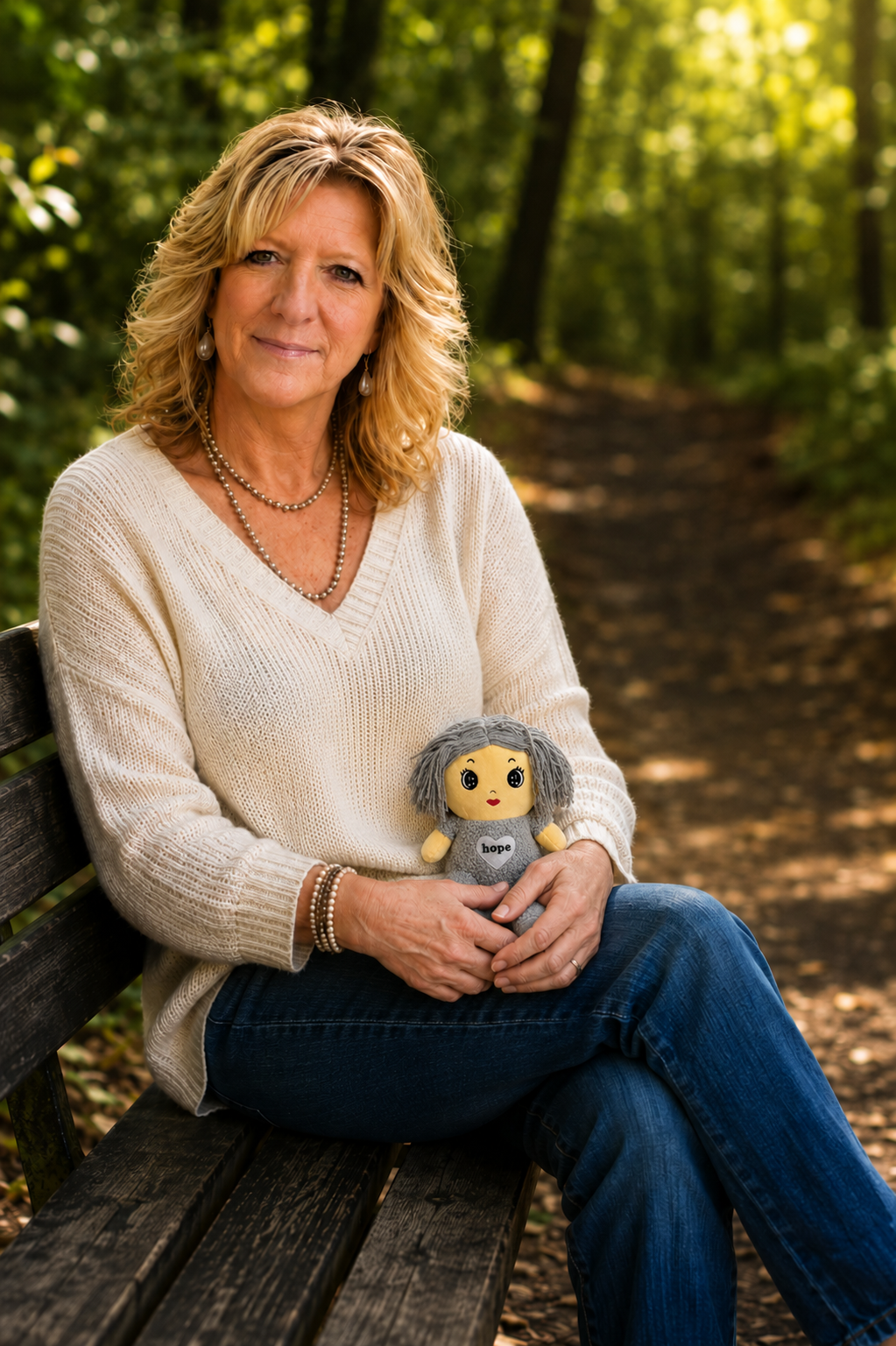
The book at a glance
AGES
8–12
Middle-grade fiction
THEMES
Hope, resilience, empathy, friendship, choices, problem solving
IDEAL FOR
Classrooms, small groups, counseling, libraries, book clubs, family discussion
SUPPORTING SOCIAL & EMOTIONAL LEARNING
Five skills, one story
Self-Awareness
Recognizing emotions, strengths, challenges, thoughts, and feelings.
Self-Management
Building perseverance, managing frustration, and working toward goals.
Social Awareness
Developing empathy and understanding different perspectives.
Relationship Skills
Practicing communication, cooperation, friendship, and asking for help.
Responsible Decision-Making
Thinking through choices, consequences, challenges, and opportunities.
These skill areas reflect the five core competencies identified in the CASEL framework. The Op Stop is not affiliated with or endorsed by CASEL.
Meet the Op Characters
Small characters. Big life skills.

Opportunity
Helps children look for possibilities and make good choices.
Responsible Decision-Making

Hope
Encourages children to keep going when things feel hard.
Self-Management
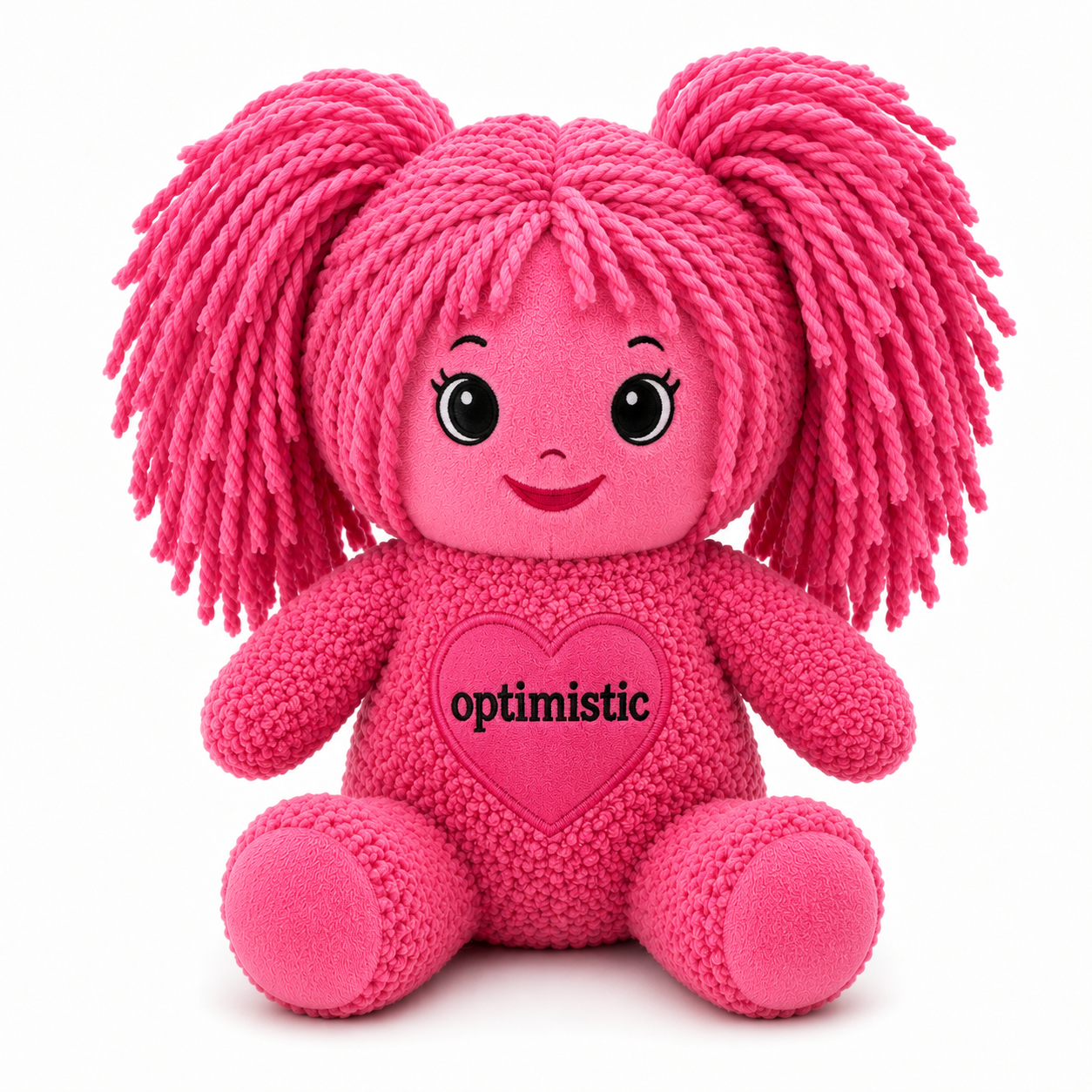
Optimistic
Coming soon! Reminds children to see the good and spread a positive mindset.
Self-Awareness, Social Awareness & Relationship Skills
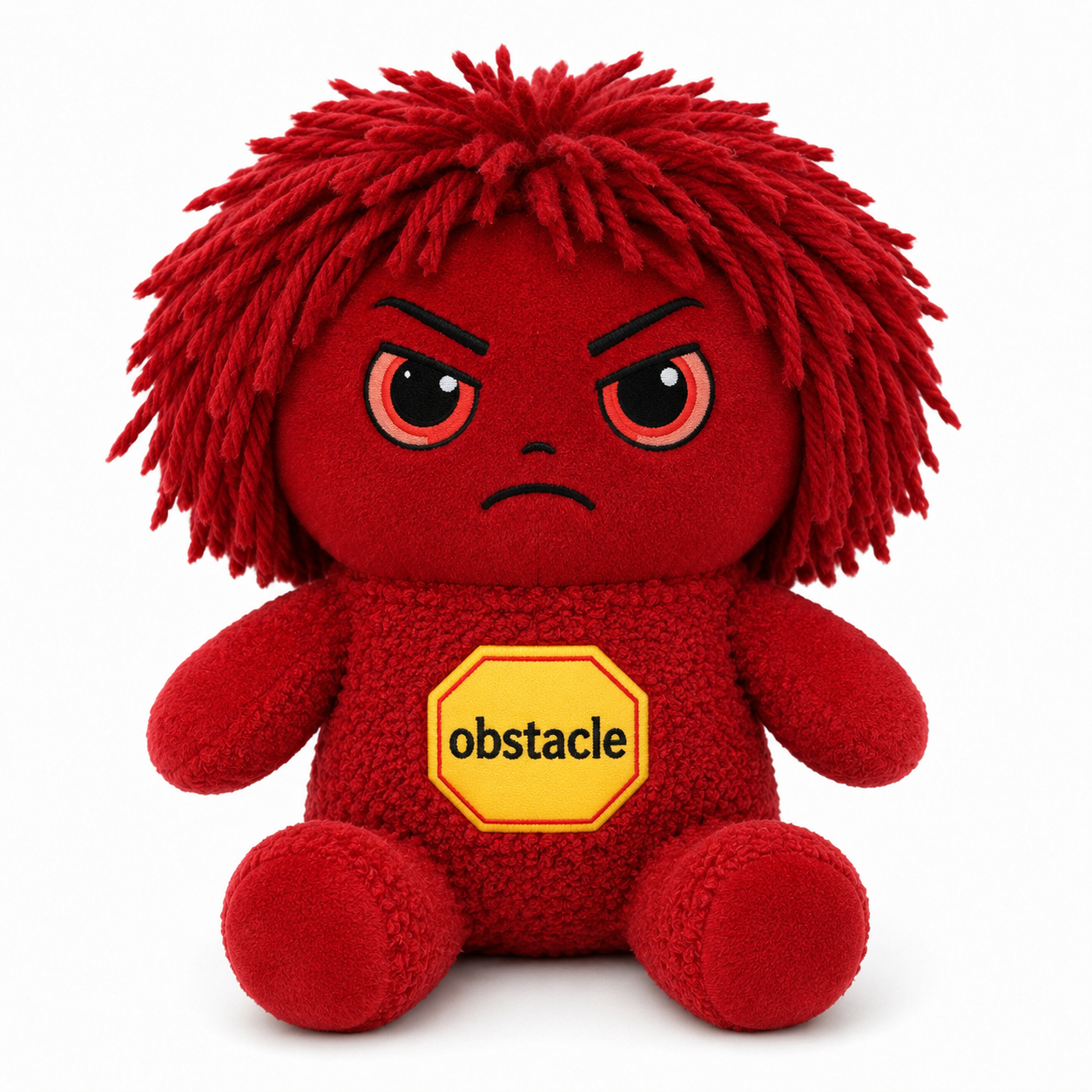
Obstacle
Coming soon! Represents the challenges we all face, and how we can learn and grow from them.
Self-Awareness & Self-Management
Discussion Questions
Use these after reading When Opportunity Knocks with a class, a small group, or one-on-one.
1. How did the Ops feel when they faced an obstacle? Have you ever felt that way?
2. If you met Obstacle, what would you say?
3. When Obstacle got in the Ops’ way, they had to decide what to do next. Think of a time something didn’t go the way you planned. What did you do next?
4. Opportunity helps us look for possibilities. When something goes wrong, how can you look for a new opportunity?
5. The story shows that challenges can be opportunities in disguise. What does that mean to you?
6. Optimistic always looks for the good, even on a hard day. What is one good thing you noticed today?
7. What is one thing that gives you hope?
8. How did the Ops help each other? Who helps you when things get hard?
Classroom Ideas
Simple activities to bring the Op characters into everyday SEL practice.
Op Feelings Check-In
During morning meeting, ask students which Op matches how they feel today and why.
Signs of Hope Journal
Students write or draw one sign of hope they noticed this week.
Obstacle to Opportunity Cards
Students write an obstacle on one side of a card and a possible opportunity on the other.
Optimistic Shout-Outs
Students write a kind note about something good they noticed in a classmate and add it to a class “Optimistic Wall.”
Bring The Op Stop to Your School
Patricia A. Woods, RN, MSN, is a retired public health nurse and former adjunct professor at Kean University. She brings decades of experience in education, public health, and community care to every Op Stop story.
Patricia welcomes inquiries about classroom sets, bulk orders, and author visits. A portion of every purchase supports St. Jude Children’s Research Hospital.
Free for educators
Get new classroom ideas in your inbox
Join The Op Stop list for new SEL activities, discussion guides, and news about the Op characters. No spam, and you can unsubscribe anytime.